News, #mandira
Health Authorities Warn of Disease Surge as Floodwaters Recede
03 Dec, 2025
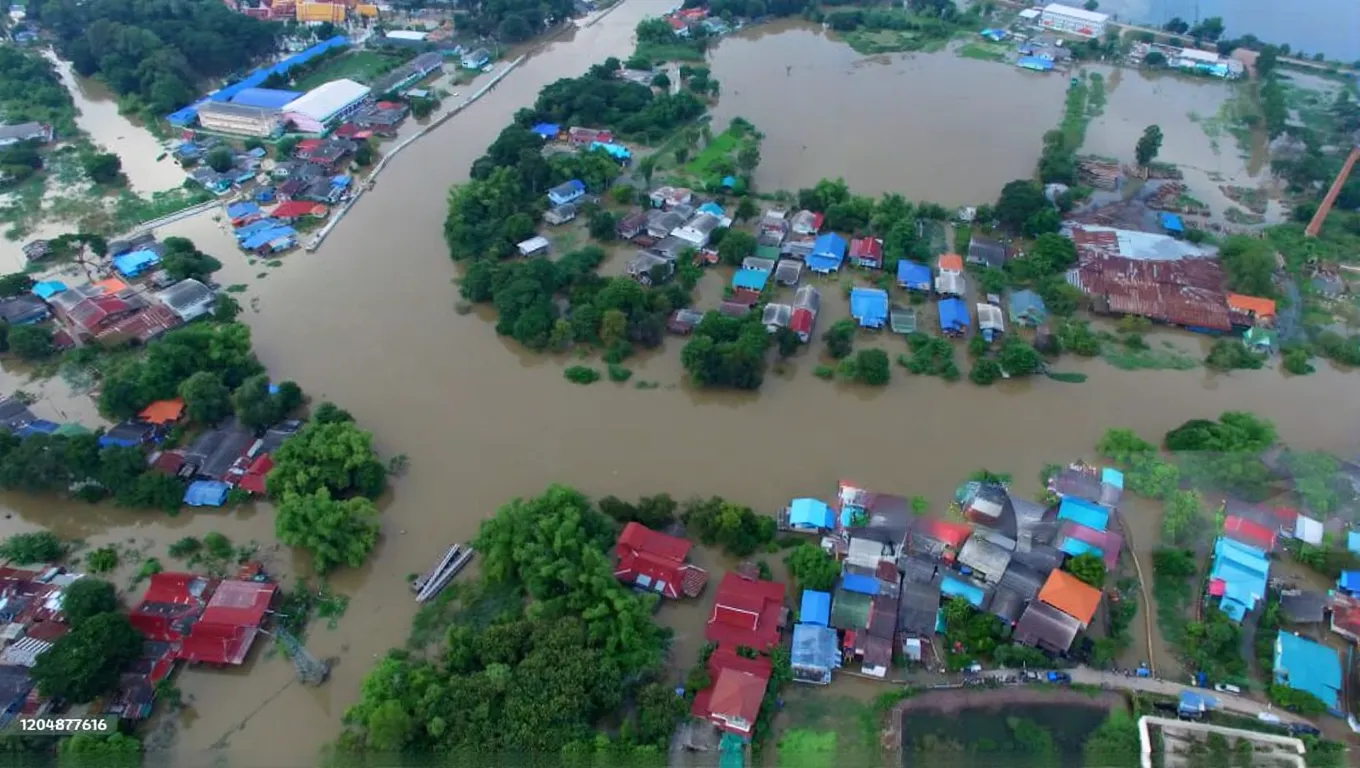
With water levels slowly receding in flood-affected regions, health authorities are warning of a likely increase in diseases linked to contaminated water.
Outbreaks of dengue, leptospirosis, hepatitis A, typhoid, and various gastrointestinal infections are common in the aftermath of severe flooding. The rainy season also heightens the risk of dengue, while leptospirosis, or ‘rat fever’, remains a major concern due to exposure to polluted floodwater. Flooded environments can easily become contaminated with the urine of infected animals, creating conditions for the spread of the disease.
Individuals working in soaked or muddy surroundings are encouraged to take extra precautions, as symptoms such as fever, severe body aches, and headaches require immediate medical attention.
Diarrheal illnesses are also known to rise during the monsoon period when drinking water sources become compromised.
These health issues are expected to become more evident in the coming weeks as communities return to their homes. Preventive measures such as avoiding contact with stagnant water, ensuring access to clean drinking water, maintaining proper sanitation, and consuming boiled or treated water remain essential to reduce the risk of infection.
Recommended For You