News, International
From Crisis Response to Transformation: MSF Scientific Day Asia 2026 Calls for Equitable, Evidence-Based Healthcare
16 Nov, 2026
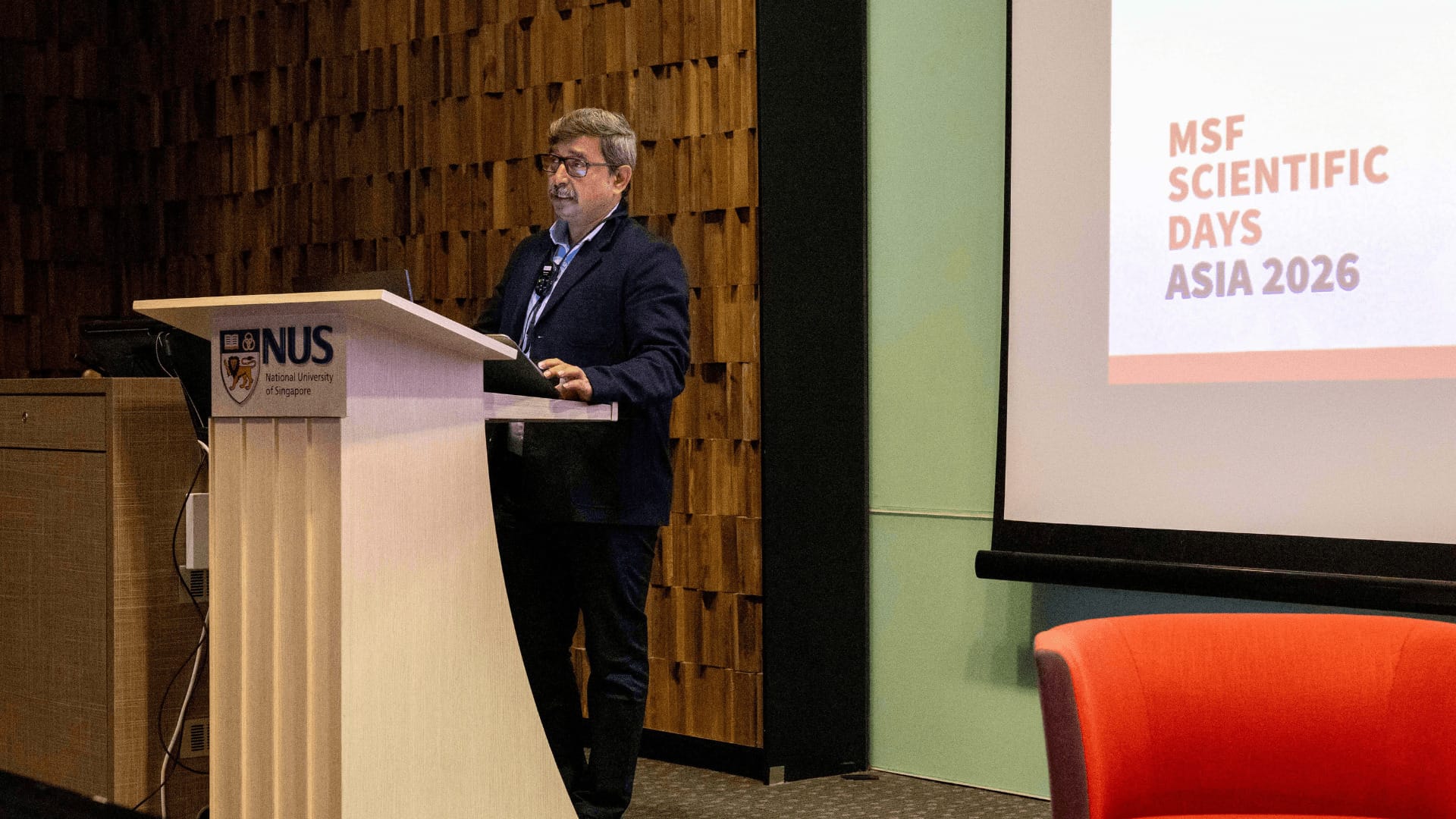
Humanitarian practitioners and researchers gathered in Singapore on 14 November to examine how evidence from frontline medical work can improve healthcare for communities affected by conflict, displacement and other crises.
Médecins Sans Frontières convened Scientific Day Asia 2026 under the theme “Humanitarian healthcare in a world of converging crises: from response to transformation”.
The programme examined links between operational research, academic collaboration and decisions about delivering medical services in settings with limited resources.
One session addressed healthcare during conflict and disasters, including research concerning surgical care, non-communicable diseases, mental health support and palliative care.
A separate session considered healthcare access among Rohingya refugees in Bangladesh. Topics included pathways to treatment, health-facility preparedness and the importance of involving communities in decisions about services.
The wider programme covered ethics and equity, health-system delivery, climate-related challenges, infectious diseases, migration and the use of data to anticipate medical needs.
Poster presentations and exhibitions provided additional opportunities to discuss research and approaches emerging from humanitarian operations.
MSF framed the event around translating findings into practical changes rather than treating research publication as the final outcome. The discussions emphasised collaboration between universities, humanitarian organisations and communities, alongside listening to patients’ experiences of barriers to care.
Recommended For You