News, Business
Beyond Revival: How a Public-Private Partnership Turned an Abandoned Sugar Factory Into a Regional Lifeline
15 Sep, 2026
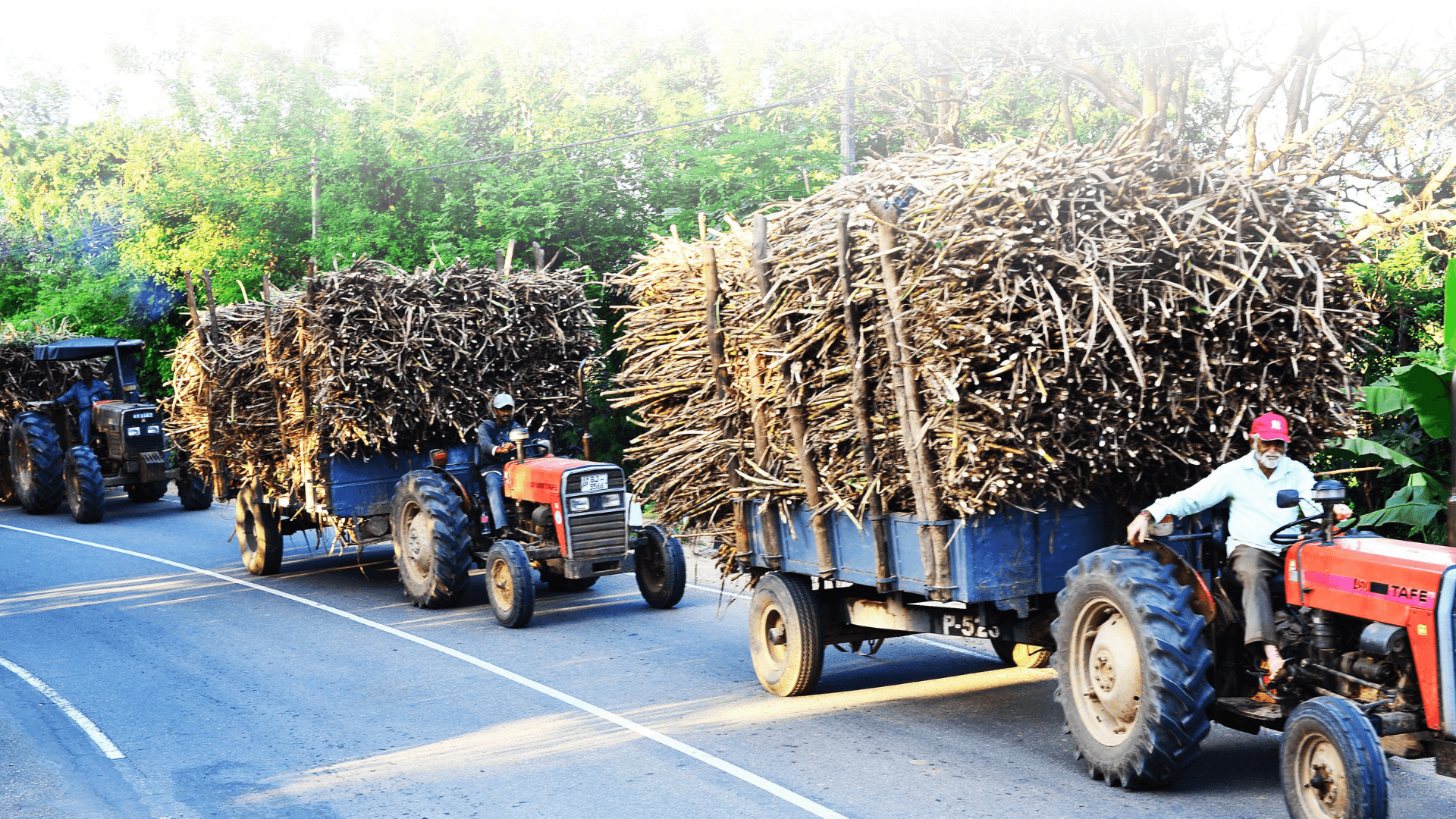
The story of Gal Oya Plantations is not simply about restarting a factory — it is about what disciplined private-sector professionalism can do when it is trusted with a national asset and a community's future.
For nearly a decade, the Hingurana Sugar Factory in Ampara stood as a monument to lost potential. Built in 1959 as a state-run enterprise and privatised in 1991, the factory drifted through years of underinvestment before the government shut its doors in 1997. For the thousands of sugarcane farming families in the Gal Oya region who depended on it as their only buyer, the closure was the collapse of a livelihood. Fields fell idle, and a generation of farmers turned to paddy cultivation and odd jobs simply to get by.
A Partnership Built on More Than Capital
What makes the Gal Oya story worth telling is not simply that the factory reopened. What makes it distinctive is the model chosen to do it. In 2007, the Government of Sri Lanka entered one of the country's landmark Public-Private Partnerships, retaining a 51% stake while Brown & Company PLC and LOLC Holdings PLC took the remaining 49% — and, with it, operational responsibility for the turnaround.
Reviving a factory idle for a decade meant rebuilding almost everything: silted irrigation canals, deteriorated roads, and machinery needing extensive repair. But the harder task was human, not mechanical. Farmers had already been burned once by an industry that promised stability and disappeared. Winning them back required the private partners to show up consistently — technical guidance, quality seed cane and fertiliser, machinery services, and a fair, assured price for every harvest.
This is where the partnership's private-sector DNA made the difference. Browns and LOLC brought a different operating discipline to a state asset — structured project management, the financial and regulatory compliance expected of listed companies, and governance standards that gave farmers and government alike confidence the venture would be run to last, not merely to reopen. That blend of discipline and sustained commitment is why Gal Oya is now cited as a model for how future PPPs reviving dormant state assets might be structured.
From Ruin to Reference Point
Machinery that had corroded over two decades has been replaced with modern, computerised processing systems. What was once a single-product sugar mill has grown into a broader agri industrial operation spanning ethanol, power generation, and bio-fertiliser. Today, Gal Oya Plantations cultivates roughly 8,500 hectares, employs around 1,300 people directly, and works with 8,000 farmers in active cultivation partnerships — with a ripple effect reaching more than 30,000 people across the region.
A Region Rebuilt, Not Just a Factory Reopened
The company's investment has extended well beyond its own gates, into irrigation, drainage, and rural roads, as well as support for local temples, churches, and mosques — signalling a long-term community relationship, not a purely industrial one. Nationally, a stronger domestic sugar industry reduces reliance on imports, conserving foreign exchange and easing pressure on the balance of payments.
Sri Lanka has no shortage of dormant state assets. Gal Oya shows that reviving them profitably is possible — provided government retains a majority stake and long-term public interest, paired with a private partner willing to bring not just capital, but process, compliance, and the patience to rebuild trust one harvest at a time. Nearly two decades after the factory's machinery fell silent, the fields are green again, and a once-abandoned asset has become a working reference point for what a well-structured Public-Private Partnership can achieve.
Recommended For You