News, Business
SL Private Credit Hits Record Rs. 246bn in October as Rupee Depreciates
14 Dec, 2025
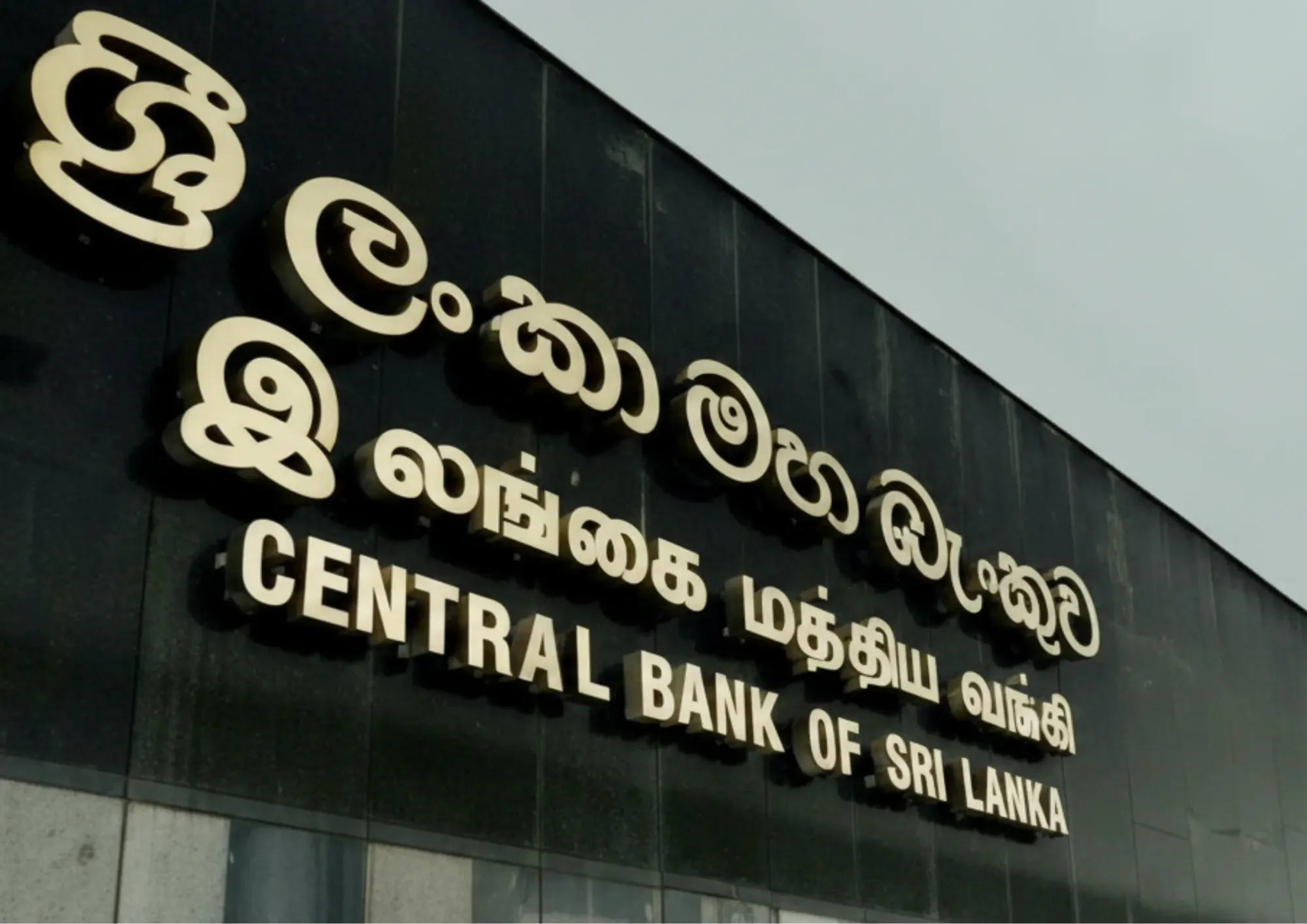
Sri Lanka’s private sector credit expanded to a new record of Rs. 246.1 billion in October 2025, up from Rs. 236.3 billion in September, according to data released by the Central Bank, while lending to the government continued to slow.
Banks have extended a total of Rs. 1.61 trillion in credit to private businesses so far this year, a sharp increase from Rs. 789.6 billion recorded during the same period last year.
In contrast, credit to the government declined by Rs. 39 billion in October, following a larger contraction of Rs. 165 billion in September. Net credit to the government has fallen by Rs. 113.6 billion over the year, although analysts note that government deposits held in banks and continued issuance of long-term bonds complicate the overall picture. Borrowings by state-owned enterprises also declined by Rs. 21.9 billion.
Analysts attribute the surge in private credit partly to currency depreciation, which encourages importers to settle bills early and exporters to delay conversions while relying on credit lines. Confidence effects linked to exchange rate movements have also supported credit demand.
Sri Lanka has benefited in recent months from more accommodative US monetary conditions, although uncertainty remains after the US Federal Reserve halted quantitative tightening in November and signalled possible rate cuts despite elevated inflation.
Meanwhile, the Central Bank has faced criticism over exchange rate management, with analysts arguing that selective restrictions on convertibility and sustained currency depreciation have undermined confidence, even as current account surpluses were generated and debt repayments continued amid delays in IMF and Asian Development Bank budget support.
Although the Central Bank has improved its net foreign assets through deflationary policies and debt repayments, reserve accumulation has remained weak since late 2024. Analysts warn that stronger and more active reserve-building measures may be required to ensure long-term stability.
Interest rates along the yield curve have edged higher in recent months, and concerns persist over liquidity management practices, including the impact of monetary operations on credit growth and currency stability.
Recommended For You